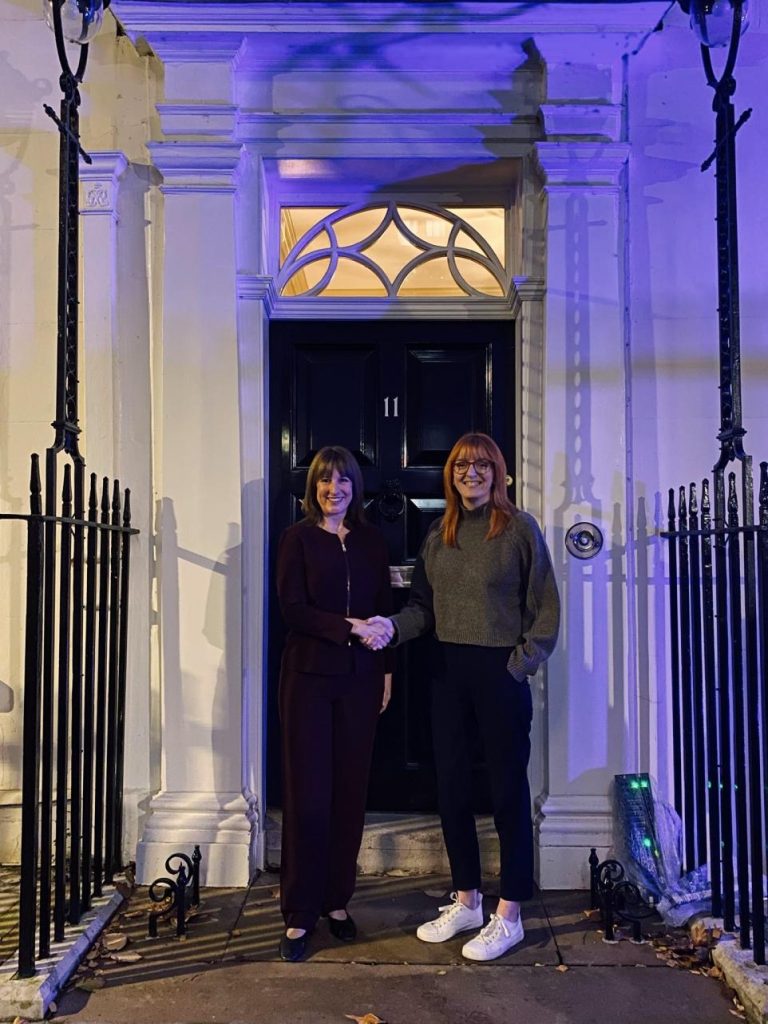
An MP has welcomed what she described as ‘real progress’ in the new Government’s Budget.
Charlotte Nichols, Labour MP for Warrington North, said the Budget would deliver a “brighter future” for her constituency and the country by addressing the cost of living, boosting growth, and taking steps to reduce child poverty.
She said the Budget included “trade-offs” but argued revenue-raising measures would fall on “those with the broadest shoulders.”
Ms Nichols said: “I’m pleased to see real progress in a range of areas that will make a huge difference in Warrington North.
“While there is still work to be done on some of our local priorities, as turning around 14 years of damage done by austerity was never going to happen overnight against the fiscal backdrop we inherited, I’m pleased to see real progress in a range of areas that will make a huge difference in Warrington North.
“Any Budget includes trade-offs, and the measures to raise revenue are rightly on those with the broadest shoulders – including gambling giants and the wealthiest property owners – and ensuring taxpayers’ money is no longer spent on failed measures like the ECO scheme, pensions for people abroad, and cracking down on fraud, error and waste.
“Taken together, and as the distributional analysis shows, this is a Budget that is rooted in fairness – putting more money in the pockets of ordinary families, supporting growth, and growing our resilience with increased economic headroom and cutting national debt.”
Key measures include a rise in the minimum wage to £12.71, a £150 reduction in household energy bills, and the removal of the two-child benefit cap.
In Warrington North, the removal of the child benefit cap will support an estimated 1,950 children, according to Ms Nichols.
The Budget also promises to deliver an 8.5 per cent minimum wage increase for 18 to 20-year-olds, raising their hourly rate to £10.85.
It maintains the pensions triple lock, expected to boost payments by £550 next April.
Other measures include £150 in energy bill support, freezes on rail fares, fuel duty and NHS prescription charges, and permanent reductions in business rates for eligible retail, hospitality and leisure properties.
The Government said it would continue to prioritise cutting NHS waiting lists, with 5.2 million extra appointments already delivered and new investment announced for 250 neighbourhood health centres.